
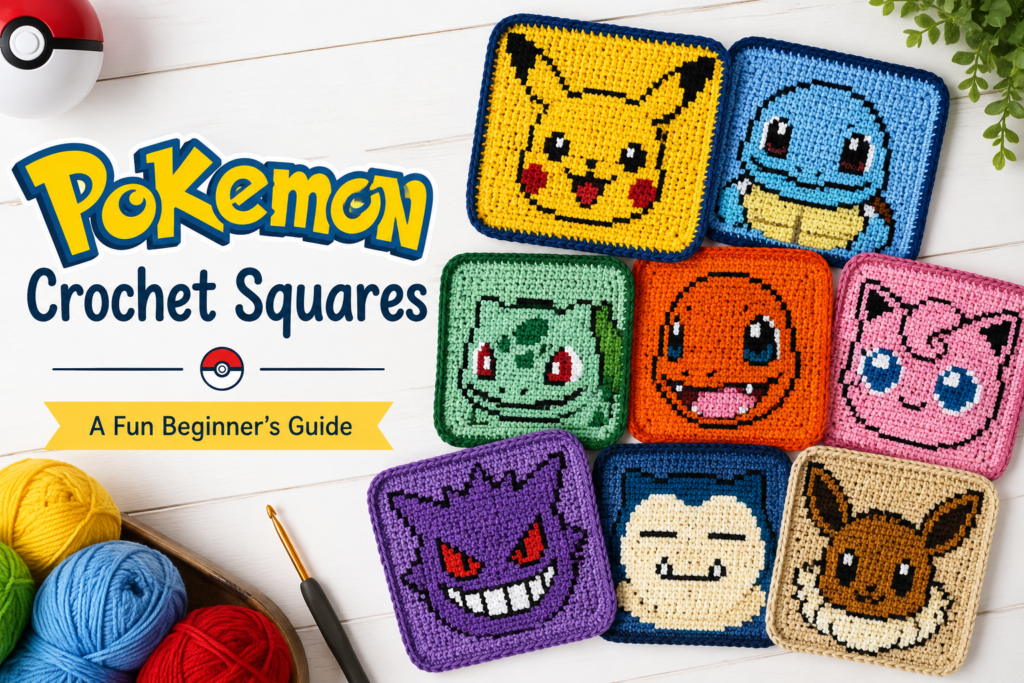
Pokemon Crochet Squares: A Fun Beginner’s Gui
If you grew up catching Pokemon or you’re just discovering the fandom through your kids, there’s a good chance you’ve thought about turning that love into something you can actually hold in your hands. That’s exactly what Pokemon crochet squares let you do. They take a childhood favorite and turn it into yarn, stitches, and a finished project you’ll want to show off.
This guide walks you through everything you need to know about Pokemon crochet squares — what they are, which characters work best, the yarn and hooks to use, and how to turn a stack of squares into a real blanket, pillow, or bag. Whether you’ve never picked up a hook or you’ve been crocheting for years, you’ll find something useful here.
Image suggestion: A flat-lay photo of several finished Pokemon-inspired granny squares in bright colors on a wooden table.
ALT text: “Colorful handmade crochet squares inspired by popular characters laid out on a table”
Pinterest caption: “These crochet squares are pure nostalgia in yarn form 🧶✨”
What Are Pokemon Crochet Squares?
Pokemon crochet squares are small, single motifs made with a crochet hook and yarn that are inspired by Pokemon characters. Instead of making one giant project in one sitting, you build it square by square. Each square might feature a color palette, a simple silhouette, or a pixel-style design inspired by a favorite character, and once you have enough of them, you join them together into something bigger.
Think of them as building blocks. A single square can become a coaster or a patch. A stack of them becomes a blanket, a pillow cover, or even a tote bag. This square-by-square approach is one of the reasons Pokemon crochet granny square projects have become so popular — you can work on them a little at a time, and you don’t need a huge chunk of free time to make progress.
Quick note on originality: This article talks about general techniques, color families, and design approaches inspired by well-known character traits (like a certain electric mouse being yellow with red cheeks). It does not include copyrighted pixel charts or official pattern reproductions. Always create your own charts or use resources you have the rights to use, especially if you plan to sell finished items.
Products by Category
-
20,000+ 3D Models Mega Bundle, STL Files for FDM/Resin Printers (Digital Download)
$3.00 -
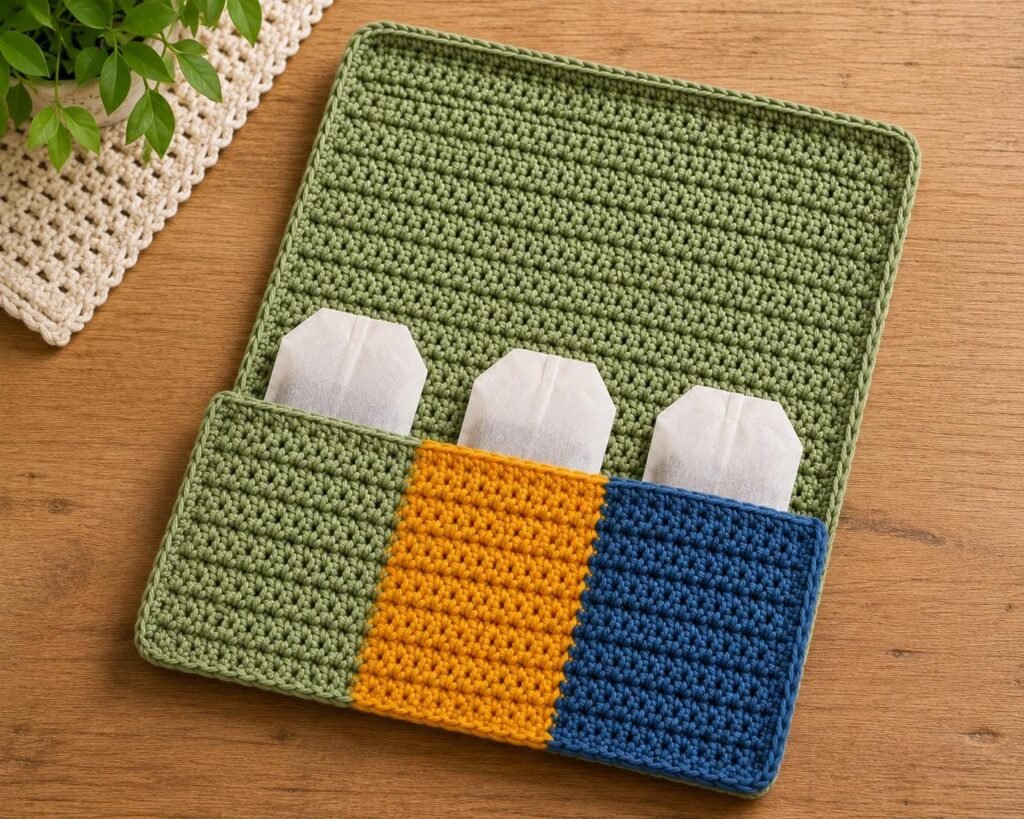
3 Colour Tea Bag Holder with Coaster Crochet Pattern PDF, Tea Organizer Crochet Pattern, Mug Coaster Pocket Holder, Beginner Crochet Pattern
$3.00 -
3 Colour Tea Bag Holder with Coaster Crochet Pattern PDF, Tea Organizer Crochet Pattern, Mug Coaster Pocket Holder, Beginner Crochet Pattern
$3.00 -
3D Daisy Keychain Crochet Pattern | Puff Stitch Flower PDF | Easy Crochet Gift Tutorial
$5.00$3.00 -
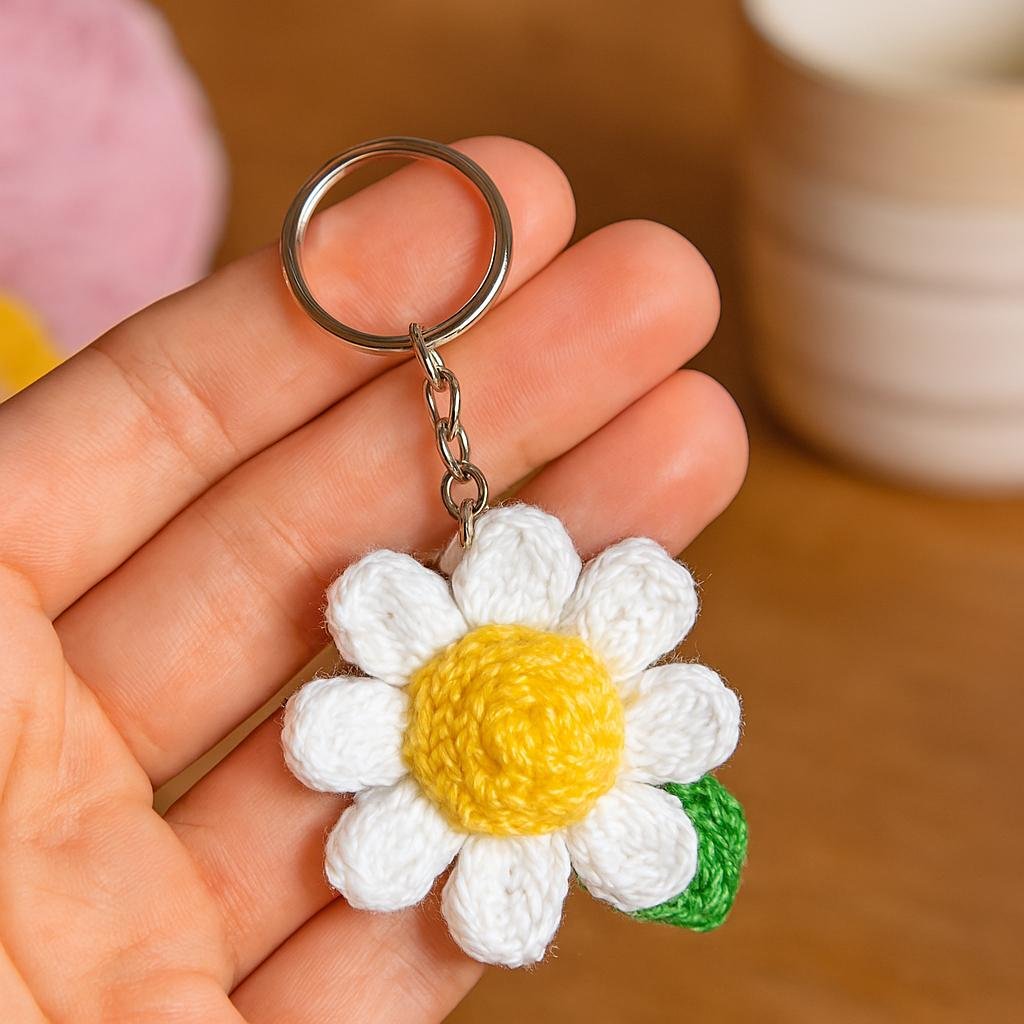
3D Daisy Keychain Crochet Pattern | Puff Stitch Flower PDF | Easy Crochet Gift Tutorial
$3.00 -
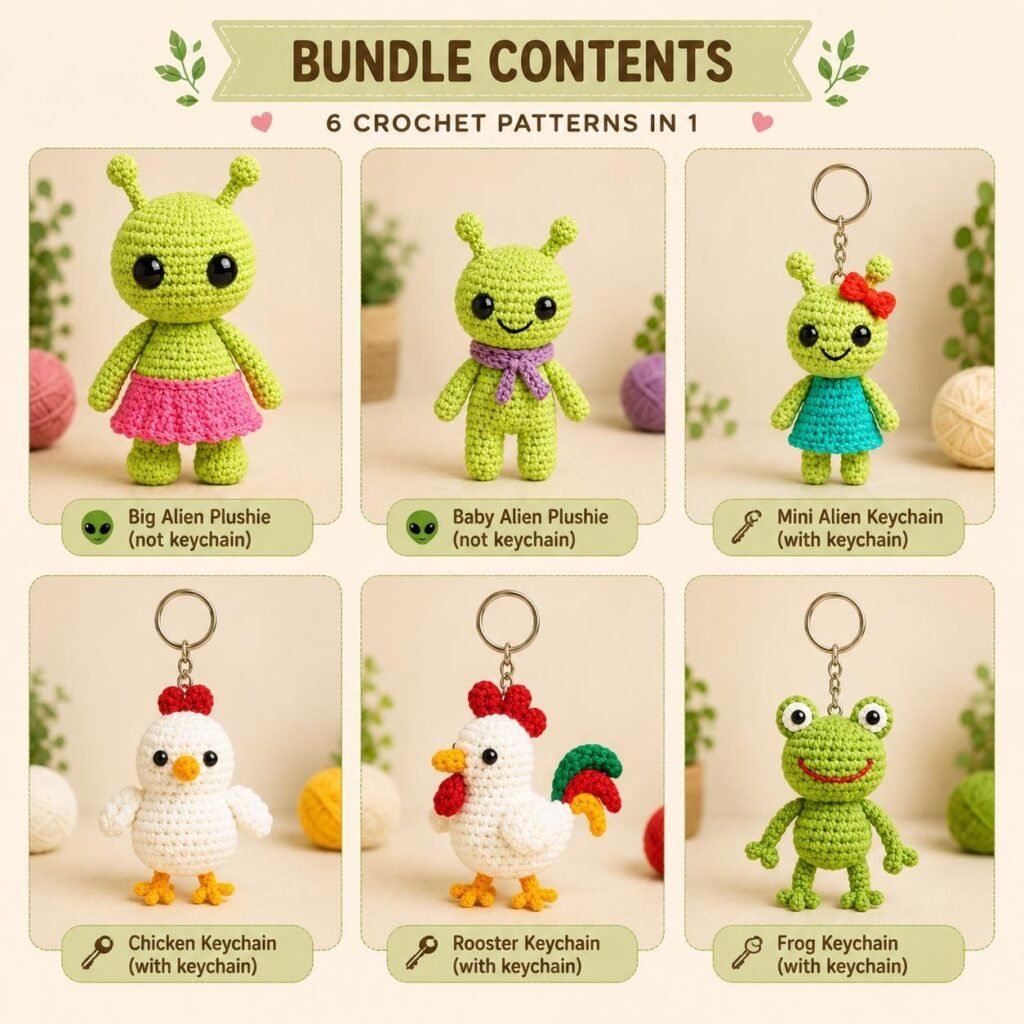
6-Pattern Crochet Bundle: Alien, Chicken, Rooster, Frog Amigurumi (PDF Download)
$520.00 -
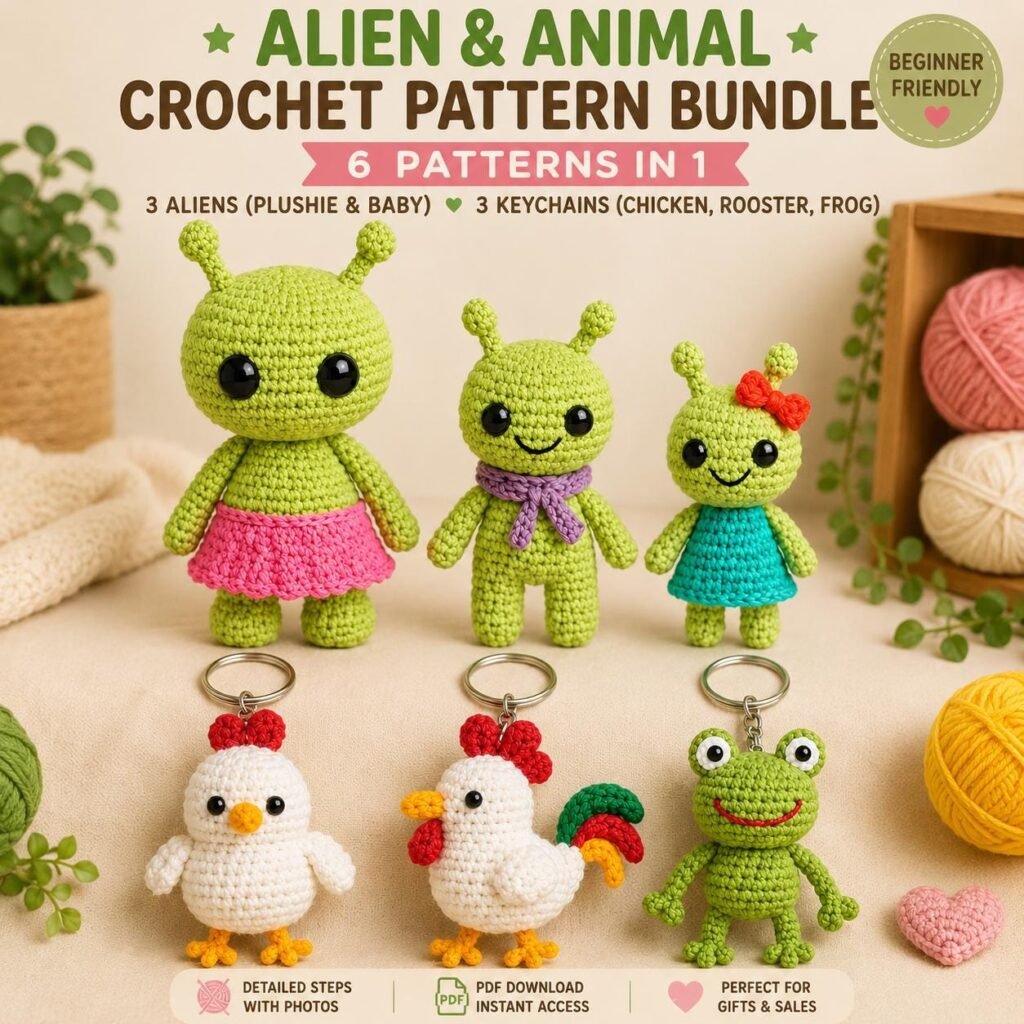
6-Pattern Crochet Bundle: Alien, Chicken, Rooster, Frog Amigurumi (PDF Download)
$3.00 -
Alien Crochet Pattern Bundle, Amigurumi Plushie, Keychain Toy (PDF Download)
$6.00$3.00 -
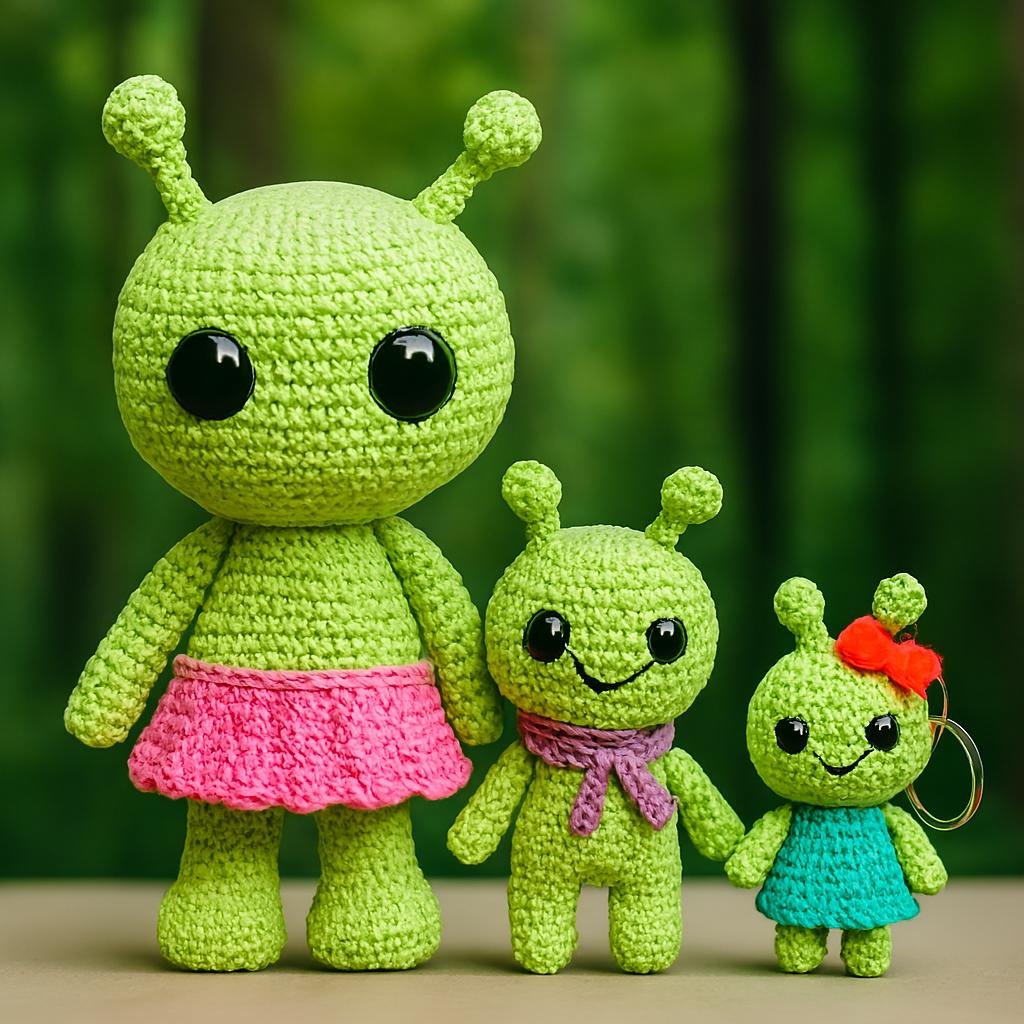
Alien Crochet Pattern Bundle, Amigurumi Plushie, Keychain Toy (PDF Download)
$3.00
Why Crochet Fans Love Pokemon Squares
There’s something genuinely satisfying about combining two hobbies you already love. For a lot of makers, crochet is relaxing and meditative, and Pokemon brings back warm memories of Saturday morning cartoons, trading cards, or long car rides with a Game Boy. Put the two together, and you get a project with actual emotional weight, not just another blanket.
There’s also a practical side. Pokemon crochet blanket squares are small and portable. You can carry a single square and a bit of yarn in your bag and work on it during a commute or while watching TV. Because each square is a self-contained project, it’s easy to feel a sense of progress, even on busy weeks.
Finally, these squares make excellent gifts. A single Pokemon-inspired square can be a keychain or a small patch for a jacket. A full set can become a nursery blanket, a birthday present, or a piece for a themed room. Few crafts hit the sweet spot between “quick win” and “meaningful heirloom” quite like this one.
Image suggestion: A cozy corner shot showing a half-finished crochet blanket made of colorful squares draped over a chair.
ALT text: “Half-finished crochet blanket made from colorful character-inspired squares”
Pinterest caption: “One square at a time, this blanket is coming together 💛”
Best Pokemon Characters for Crochet Squares
Not every Pokemon is easy to translate into a square shape, especially if you’re working with basic granny square or pixel techniques. Characters with bold, simple silhouettes and a small number of main colors tend to work best. Here are eight fan favorites that crocheters return to again and again.
Pikachu
It’s no surprise that Pikachu tops most lists. The bright yellow body, red cheeks, and black-tipped ears create a lot of visual contrast with very few colors, which makes it a forgiving choice for a first attempt at a Pokemon crochet motif.
Eevee
Eevee’s warm brown and cream tones give it a soft, cozy look that works beautifully in a blanket. Its fluffy collar also gives more advanced crocheters a chance to add texture with different stitch heights.
Charmander
With its orange body, cream belly, and that signature flame tail, Charmander is a fun way to practice adding a small pop of a third color into an otherwise simple design.
Squirtle
Squirtle’s blue shell and lighter blue body make it a great match for anyone who wants a Pokemon crochet project with a calmer, cooler color story instead of bright primary colors.
Bulbasaur
The green body and darker green spots make Bulbasaur a nice option for practicing shading with just two or three shades of the same color family.
Gengar
Gengar’s deep purple body and spiky silhouette appeal to crocheters who want something a little moodier and more dramatic than the brighter starter Pokemon.
Snorlax
Snorlax’s rounded shape and soft blue-green tone translate really well into a big, chunky square, which makes it a favorite for baby blankets and nursery projects.
Jigglypuff
Simple, round, and pink, Jigglypuff is often recommended to first-timers because the shape doesn’t require much detail to still be instantly recognizable.
Image suggestion: A grid collage showing eight small crochet squares, each in the color palette of a different popular Pokemon character.
ALT text: “Grid of eight crochet squares in color palettes inspired by different Pokemon characters”
Pinterest caption: “Which one would you crochet first? 🔥💧🌿⚡”
On sale products
-
3D Daisy Keychain Crochet Pattern | Puff Stitch Flower PDF | Easy Crochet Gift Tutorial
$5.00$3.00 -
Alien Crochet Pattern Bundle, Amigurumi Plushie, Keychain Toy (PDF Download)
$6.00$3.00 -
Amigurumi Fruit Keychain PDF, Kawaii Bag Charm Tutorial, Beginner DIY Gift Project, Easy Handmade
$5.00$3.00 -
Amigurumi Plant Crochet Pattern PDF | Interactive Pull & Grow Pot Plant For Beginners
$6.00$3.00 -
Beatrix the Little Witch Crochet Pattern PDF
$6.00$3.00
Types of Pokemon Crochet Squares
There isn’t just one way to make a Pokemon crochet square. Depending on your skill level and how detailed you want the final look to be, you can choose from a few different techniques.
| Technique | Best For | Difficulty | Detail Level |
|---|---|---|---|
| Classic granny square with color blocking | Simple, symbolic designs (like an ear shape or color story) | Beginner | Low |
| Corner-to-corner (C2C) | Pixel-style character faces | Intermediate | Medium-High |
| Tapestry crochet | Detailed pixel art with clean edges | Intermediate to Advanced | High |
| Intarsia (blocks of color, single strand) | Large, simple color panels without carrying yarn | Intermediate | Medium |
| Amigurumi-style appliqué on a square base | 3D details like ears or a tail added onto a plain square | Intermediate | Medium |
Most Pokemon pixel crochet designs you’ll see online use either C2C or tapestry crochet, since both techniques let you build a grid of “pixels” that mimics the blocky, retro sprite look many fans associate with the games.
Beginner-Friendly Pokemon Squares
If you’re new to crochet, start simple. You don’t need a full pixel-perfect character to get that Pokemon feel. A basic granny square using a character’s main colors, paired with one simple symbol (like a triangle for a flame or a lightning-bolt-shaped tail worked separately and stitched on), can look great without needing advanced skills.
- Stick to two or three colors instead of five or six.
- Choose characters with simple, rounded shapes, like Jigglypuff or Snorlax.
- Practice basic color changes before attempting a full pixel grid.
- Use a solid granny square as your base, then add small felt or crochet details on top.
Pro Tip: Before starting your first character-inspired square, practice changing colors on a plain test swatch. Getting comfortable with clean color changes will make every square after that look noticeably neater.
Advanced Pokemon Square Ideas
Once you’re comfortable with basic color work, you can move on to full pixel-style faces using C2C or tapestry crochet. These techniques let you build up a grid, row by row, so you can design a recognizable face or full-body silhouette using your own graph paper chart.
Advanced crocheters often like to combine techniques within a single project. For example, a square might use tapestry crochet for the character’s face and a small amount of surface crochet or embroidery for fine details like eyes or highlights. This layered approach is what gives many crochet Pokemon designs that extra polished, “shop-quality” look.
Image suggestion: Close-up of a detailed pixel-style crochet square in progress, showing the C2C diagonal rows.
ALT text: “Close-up of a pixel style crochet square being made using the corner to corner technique”
Pinterest caption: “Pixel by pixel, this one’s really coming to life”
Yarn and Hook Recommendations
Your choice of yarn and hook will affect how crisp your pixels look and how soft the finished project feels. For most Pokemon crochet squares, a medium-weight yarn strikes the best balance between stitch definition and speed.
| Yarn Weight | Recommended Hook | Best Use |
|---|---|---|
| DK (light worsted) | 3.5mm – 4mm | Detailed pixel faces, smaller squares |
| Worsted (aran) | 4mm – 5mm | Standard blanket squares, good stitch definition |
| Chunky | 5.5mm – 6.5mm | Fast baby blankets, big bold color blocks |
| Cotton (any weight) | Matched to weight | Crisp stitches for wall hangings and bags |
Acrylic yarn is a popular, budget-friendly choice for blankets since it’s machine washable and comes in a huge range of bright colors, which matters a lot when you’re chasing an exact Pikachu yellow or Charmander orange. Cotton yarn gives sharper stitch definition, which some crocheters prefer for pixel-style faces, though it can be a little firmer to work with for long sessions.
Pro Tip: Buy your main color yarn in one dye lot if possible, especially for large blankets. Slight color shifts between dye lots are much more noticeable on a big, repeated color block than on a variegated design.
Color Combinations
Color is what makes a Pokemon crochet granny square instantly recognizable, even from across the room. The trick is picking a small, confident palette rather than trying to match every shade exactly.
| Character | Core Colors | Accent Color |
|---|---|---|
| Pikachu | Yellow, black | Red |
| Eevee | Light brown, cream | Dark brown |
| Charmander | Orange, cream | Yellow/red flame |
| Squirtle | Light blue, dark blue | Cream |
| Bulbasaur | Teal green, dark green | Red or pink (bulb accent) |
| Snorlax | Blue-teal, cream | Dark navy |
When in doubt, pull just three colors per square: a main body color, a lighter or darker shade for shading, and one small accent color for a detail like eyes or cheeks. This “rule of three” keeps designs looking clean instead of busy, and it also keeps your yarn stash manageable.
Tips for Perfect Crochet Squares
A few small habits make a big difference in how professional your finished squares look.
- Keep your tension consistent across all squares so they end up the same size.
- Count your rows, not just your stitches, especially with C2C or tapestry work.
- Weave in ends as you go instead of leaving them all for the end of the project.
- Block your squares (lightly steam or wet-block them) before joining, so edges lie flat.
- Photograph your progress in good natural light if you plan to share it online.
Crochet Tip: If your square is curling at the corners, it usually means your tension is too tight, or you’ve added an extra stitch somewhere along an edge. Lay the piece flat and count your edge stitches to check before ripping back.
Common Mistakes to Avoid
Even experienced crocheters run into these issues when they start a new character-based project.
- Skipping the gauge swatch: Squares that don’t match in size are hard to join neatly later.
- Using too many colors: More than four colors in a single small square often reads as muddy rather than detailed.
- Ignoring yarn tails: Loose ends left until the end of a big project become a tangled, time-consuming mess.
- Not charting the design first: Freehanding a pixel face rarely turns out symmetrical; a simple grid sketch saves a lot of frogging.
- Mixing yarn weights within one project: This leads to squares that don’t lie flat together once joined.
Creative Project Ideas
Once you’ve got a stack of squares, the real fun begins. Here are some of the most popular ways to use them.
Blankets
The classic choice. A crochet Pokemon blanket usually mixes several characters into one large piece, often bordered with a simple single-color edge to tie all the busy squares together visually.
Pillows
A single, larger square (or four small ones joined together) makes a great pillow front. This is a nice option if you want a smaller, faster project or a themed accent piece for a bedroom.
Wall Hangings
Mount a few squares onto a small dowel or embroidery hoop for an easy piece of fan art you can hang on a shelf or nursery wall.
Tote Bags
Sturdy cotton yarn and a couple of joined squares make a fun, functional bag front, perfect for carrying yarn to your next crochet meetup.
Baby Blankets
Softer, rounder characters like Snorlax or Jigglypuff work especially well here, paired with gentle, muted colors and a soft acrylic or cotton-blend yarn.
Table Runners
A row of smaller squares joined end to end turns into a playful table runner, a fun option for a themed birthday party or a game room.
Image suggestion: A styled flat-lay of finished project types side by side — a pillow, a small wall hanging, and a folded blanket corner.
ALT text: “Finished crochet projects including a pillow, wall hanging, and blanket made from character inspired squares”
Pinterest caption: “So many ways to use one stack of squares 🧡”
Internal link suggestion: link this section to a post on “How to Design Your Own Pixel Crochet Chart” or “Best Crochet Blanket Border Patterns for Beginners.”
How to Join Crochet Squares
Joining is where a pile of squares turns into an actual project, and the method you choose affects both the look and the flexibility of the finished piece.
- Whip stitch: Fast and simple, though it can create a slightly visible seam on the front.
- Slip stitch join: Creates a neat ridge, which can double as a subtle design line between squares.
- Single crochet join: Sturdy and slightly textured, a popular choice for blankets that will get a lot of use.
- Join-as-you-go: Connects squares while making the last round, which cuts down on finishing time.
- Flat braid or invisible join: Best when you want the character designs to flow into each other with minimal visible seams.
For a Pokemon crochet blanket square project with a lot of busy, colorful designs, a simple single crochet or slip stitch join in a neutral color (black or white) often works best. It acts like a “grout line,” giving your eyes a break between each character and making the whole blanket feel more organized.
Caring for Crochet Projects
A little care goes a long way in keeping your finished piece looking good for years.
- Check the yarn label before washing — acrylic is usually machine washable, while wool blends often need hand washing.
- Wash in cold water on a gentle cycle, and lay flat to dry to avoid stretching.
- Avoid high heat when drying, since it can cause acrylic yarn to lose its shape.
- Store folded rather than hung, so the weight of the piece doesn’t distort the stitches over time.
Pro Tip: Keep a small swatch of leftover yarn from each project in a labeled bag. If a seam ever needs repair, you’ll have a perfect color match ready to go.
Frequently Asked Questions
1. Are Pokemon crochet squares hard to make?
Not necessarily. Simple color-blocked squares are very beginner-friendly, while detailed pixel-style faces take more practice with techniques like C2C or tapestry crochet.
2. What size should a crochet square be for a blanket?
Most blanket squares range from 6 to 12 inches. Smaller squares show more pixel detail, while larger squares finish faster.
3. Can I sell items made from Pokemon-inspired crochet designs?
This is a legal gray area since Pokemon characters are trademarked. Many crocheters keep these projects for personal use or gifts rather than selling exact character reproductions. If you plan to sell, consider designing original, non-infringing motifs inspired by general color themes instead.
4. What’s the best yarn for Pokemon crochet blanket squares?
A worsted-weight acrylic or cotton-acrylic blend is a popular choice, since it holds color well, is machine washable, and comes in a wide range of bright shades.
5. Do I need a chart to make a pixel-style Pokemon square?
It helps a lot. A simple grid, even a hand-drawn one on graph paper, keeps your rows and color changes consistent and symmetrical.
6. What’s the easiest Pokemon character to crochet first?
Characters with simple, rounded shapes and just two or three colors, like Jigglypuff or Bulbasaur, are usually the friendliest starting point.
7. How many squares do I need for a full-size blanket?
This depends on square size, but a throw-size blanket typically needs somewhere between 30 and 63 squares, depending on whether they’re 8-inch or 6-inch squares.
8. Should I use C2C or tapestry crochet for pixel designs?
Both work well. C2C tends to be a bit faster to learn, while tapestry crochet often gives slightly crisper, more even pixels.
9. Can beginners really make a full Pokemon crochet blanket?
Yes. Start with simple color-blocked squares, and add one or two more detailed pixel squares as your confidence grows. There’s no rule that every square has to be equally complex.
10. How do I keep my colors accurate to the character?
Keep a small reference image nearby (from your own memory or general knowledge of the character) while choosing yarn, and try to stick to three main shades per character for the clearest, most recognizable result.
Final Thoughts
Pokemon crochet squares sit right at the intersection of nostalgia and craft, and that’s exactly why so many makers keep coming back to them. You don’t need to be an expert to start. Pick a favorite character, choose two or three colors, and make one square. See how it feels. Chances are, one square will turn into two, and before long you’ll have enough for a blanket, a pillow, or a gift that means a lot more than something you could buy off a shelf.
If you’re ready to start your own Pokemon-inspired crochet project, grab your hook, pick your first character, and make that first square today. Share a photo of your progress with fellow crochet fans, and don’t be afraid to experiment with your own color combinations along the way.
Image suggestion: A finished, folded crochet blanket made of multiple character-inspired squares, styled on a bed with warm lighting.
ALT text: “Finished handmade crochet blanket made of colorful character inspired squares folded on a bed”
Pinterest caption: “Start with one square. End up with this. 🧶💛”
Disclaimer
Pokemon, Pikachu, and all related character names and designs are trademarks of Nintendo, Game Freak, and The Pokemon Company. This article is written for educational and fan-inspired purposes only. It does not include, sell, or reproduce any official copyrighted patterns, charts, or artwork. Any color or design suggestions mentioned here are general fan interpretations, not official reproductions, and readers should create their own original charts or use properly licensed patterns, especially for any items intended for sale.